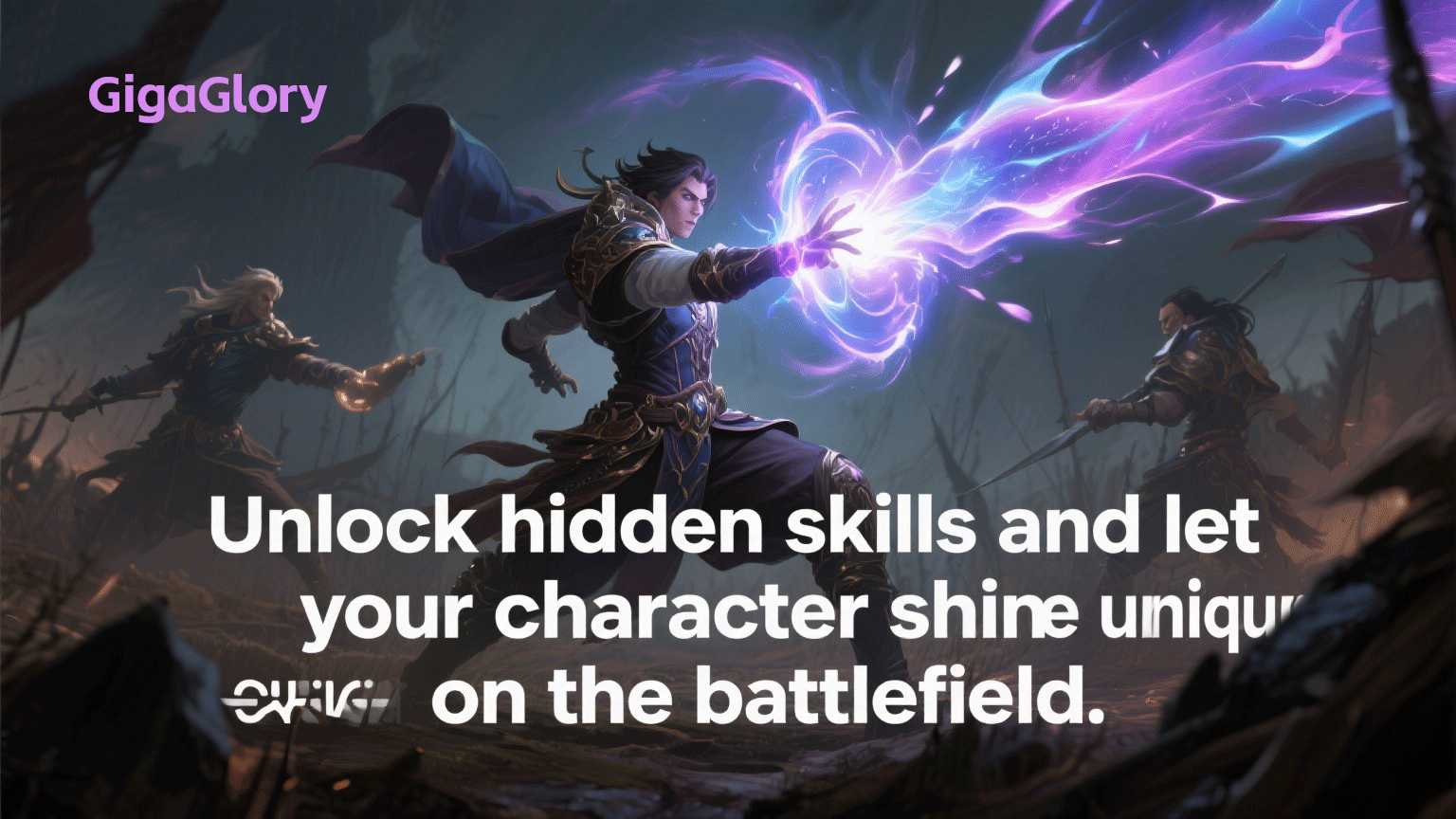
Mastering Strategy: The Evolution and Popularity of Mobile Strategy Games
When it comes to gaming, strategy games have always held a special place in the hearts of players. As the world transitions towards more mobile-friendly platforms, these games have evolved tremendously. So, let's take a moment to explore the evolutionary journey of these mobile strategy games and why they’ve become so popular among gamers.
1. What Are Mobile Strategy Games?
Mobile strategy games combine quick thinking and strategic planning, all in the palm of your hand. Unlike traditional PC or console strategy games, mobile titles often offer bite-sized gameplay suitable for on-the-go sessions. This makes them perfect for modern lifestyles. Think of them as the quick snack of the gaming world—fun, engaging, but not too heavy.
2. The Evolution of Strategy Games
The history of strategy games dates back to classic board games like chess and Go. Fast forward to the late 20th century, and we saw the rise of real-time strategy games (RTS) on computers, such as Age of Empires and Starcraft. Mobile devices began their game-changer journey in the early 2000s, with titles like Advance Wars leading the charge. Today, we have modern masterpieces like Clash of Clans and Plague Inc., revamping how strategy is played.
3. Why Mobile? The Shift to Pocket-Sized Play
As mobile technology advanced, so did the gaming industry. The convenience of mobile platforms meant players could indulge in strategy games anytime, anywhere. Furthermore, the layout of mobile screens allows for straightforward mechanics, making complex strategies easier to execute.
- Accessibility: Players from various backgrounds can dive in without requiring expensive gaming rigs.
- Social Interaction: Many mobile strategy games offer multiplayer options, fostering community engagement.
- In-Game Purchases: Developers can monetize easily through in-game currency, which has proven profitable.
4. The Popular Genres of Mobile Strategy Games
Mobile strategy games largely vary from one another. Here’s a quick list of popular genres you might encounter:
- Real-time Strategy (RTS): Battles and resource management happen in real-time.
- Turn-based Strategy (TBS): Every player takes turns to execute their strategy.
- Tower Defense: Players defend against waves of enemies by strategically placing defenses.
- Card Games: Strategy meets luck in builders like Hearthstone and Slay the Spire.
5. Case Study: Lake Kingdom Puzzle Solution Block
Now, let’s dig into a specific example: the Lake Kingdom Puzzle Solution Block. This puzzle presents a unique strategy challenge where players must figure out how to navigate various obstacles. The successful execution relies on spatial awareness and careful planning. Solving such puzzles enhances strategic thinking while being incredibly fun.
6. The Rise of F2P: Free to Play Model
Free-to-play games are now at the forefront of mobile strategy. Players can access many games without upfront costs but face limitations unless they make purchases. This model encourages more users to try games, gradually leading them toward optional spending. Popular titles have thrived under this structure, altering perceptions of how games can generate revenue.
7. Community and Social Influence
Mobile strategy games thrive on community interactions. Players forming clans or groups can strategize together, share tips, and engage in battles. Moreover, the global nature of mobile games means players from different cultures can collaborate and compete, enriching the gaming experience.
8. The Potato Chips Game: Strategy with a Twist
Who would have thought the concept of potato chips could infiltrate the gaming world? The potato chips game is a light-hearted strategy game where players collect chips while attempting to outwit their opponents. It's whimsical, but it teaches players to think strategically in a fun way. This mix of enjoyment and cognitive challenge is what keeps players engaged!
9. Future Trends in Mobile Strategy Games
The future for mobile strategy games looks bright as technology evolves. With the integration of AR and VR, gameplay experiences are becoming increasingly immersive. AI-driven games will know better how to challenge players based on their play styles, making each session feel unique.
10. Key Takeaways on Mobile Strategy Games
To sum it all up, mobile strategy games have come a long way since their inception. They encapsulate the perfect blend of fun, collaboration, and cognitive challenge. Here’s a quick rundown of what we covered:
| Key Points |
|---|
| Accessibility and Convenience |
| Variety of Genres |
| Community Engagement |
| Shift towards Free-to-Play Model |
| Future Integration of AR/VR |
Conclusion: The Unstoppable Rise of Mobile Strategy Games
In conclusion, mastering strategy in mobile games is a journey filled with challenges, creativity, and fun. As players, the evolution of these games allows us to engage with strategy in ways that suit our busy lives. So next time you reach for your phone, consider indulging in a mobile strategy game. You might just find yourself hooked! Who knows? You might even outsmart those pesky potato chips! Happy gaming!