Exploring the Evolution of Simulation Games: The Rise of Sandbox Games
Simulation games have seen tremendous growth over the years. From their early days to the current sandbox genre, the landscape has changed dramatically. Gamers now immerse themselves in rich environments that offer creativity, exploration, and unique gameplay mechanics. In this article, we'll delve into the evolution of simulation games, with a particular focus on sandbox games, and look at how they engage players differently than traditional simulation games.
The History of Simulation Games
Simulation games date back to the late 1970s and early 1980s. These games aimed to simulate real-world activities or scenarios, offering players a multifaceted experience.
- 1970s: The Beginning - Simple text-based simulations like "Hamurabi" allowed players to manage resources.
- 1980s: The Rise of Complexity - Games like "SimCity" introduced intricate mechanics that simulated urban planning.
- 1990s: The Expansion - Players enjoyed agriculture and life simulation games, including "The Sims," which became iconic.
| Year | Game Title | Significance |
|---|---|---|
| 1989 | SimCity | First real city-building simulator. |
| 1997 | The Sims | Life simulation that became a cultural phenomenon. |
| 2000s | Sims 2 | Improved graphics and complex relationships. |
What are Sandbox Games?
Sandbox games are unique in their approach, allowing players to create and manipulate environments freely. Unlike traditional simulation games with defined objectives, sandbox games provide tools for players to construct their experiences. Here’s what sets them apart:
- Open World Exploration - Players can explore vast landscapes without linear constraints.
- Creativity Centered - Users build structures, create stories, and define gameplay.
- Player-Centric Design - Experience isn’t predefined, offering endless possibilities.
The Boom of Sandbox Games
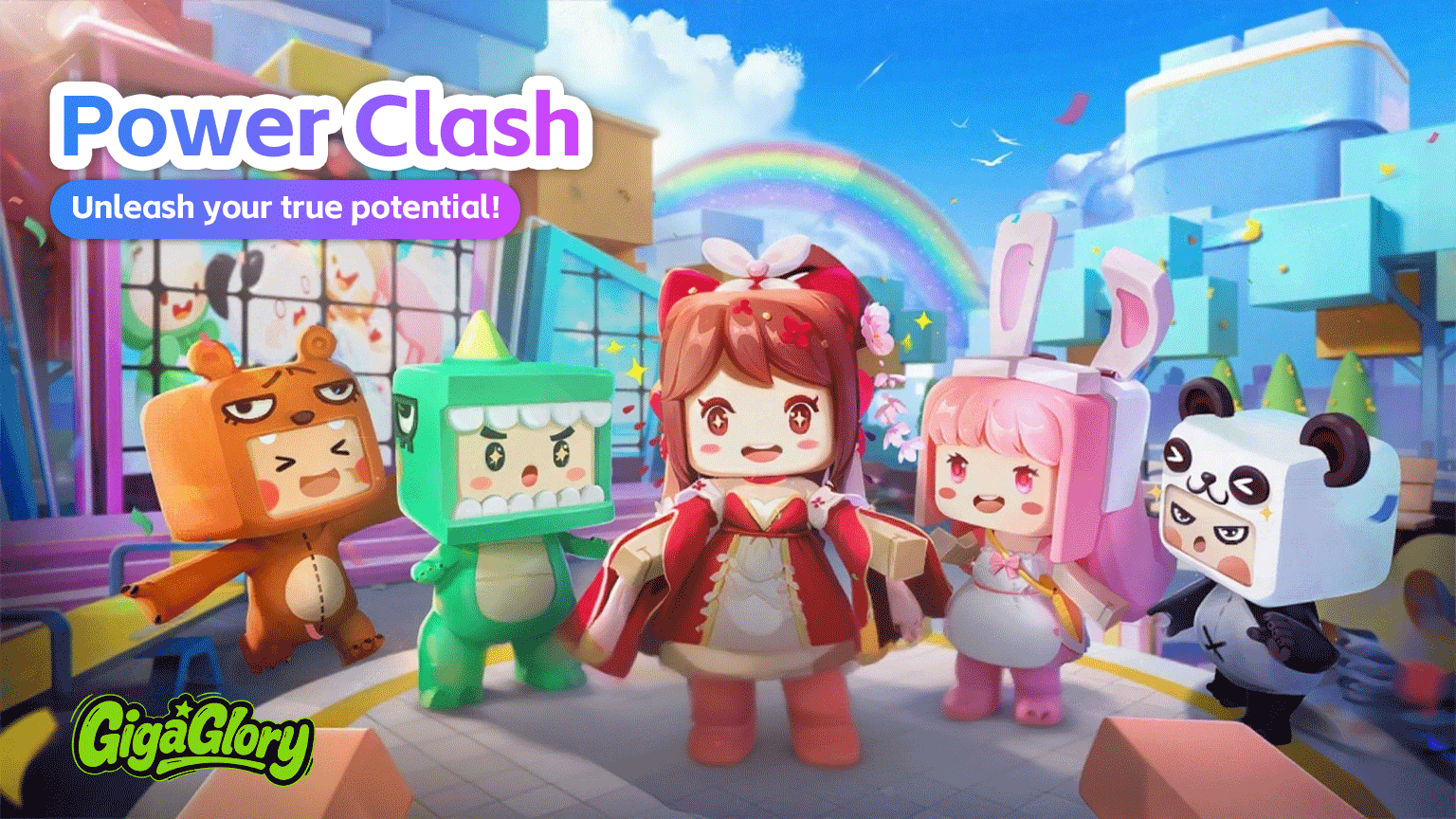
Recently, sandbox games like "Minecraft" and "Roblox" have become cultural touchstones. They blend creativity with user-generated content, engaging players of all ages:
- **Minecraft**: A pixelated world where players can craft using blocks, allowing for unparalleled creativity. - **Roblox**: More than just a game, it allows users to build games for others, resulting in a rich ecosystem of creativity.Engagement Trends in Sandbox Games
Many gamers turn to sandbox games for a variety of reasons:
- Collaborative Play - Players often join forces to create or explore.
- Educational Benefits - Games encourage problem-solving and teamwork.
- Community Building - Platforms foster friendships and alliances.
Blending Genres: Simulation with Sandbox Elements
The modern gaming experience often blends elements from different genres. This is particularly evident in games that incorporate sandbox features into traditional simulation gameplay. For example, "Cities: Skylines" allows urban planning similar to "SimCity" but with extensive modding capabilities.
In addition, new entries like “Planet Coaster” allow players not just to simulate theme park operations but also to freely design their roller coasters and park layouts, showcasing sandbox mechanics within a simulation format.
Comparing Regular Simulation Games and Sandbox Games
| Feature | Simulation Games | Sandbox Games |
|---|---|---|
| Play Style | Linear, objective-based | Open-ended, creative |
| User Control | Limited to game mechanics | Unlimited creativity |
| Community Interaction | Often single-player | Strong community involvement |
Popular Sandbox Game Types
As sandbox games continue to evolve, they increasingly incorporate unique themes and mechanics. Here are some popular types:
- Construction-Based Games - Examples include Minecraft and Terraria.
- Combat Sandbox Games - "Battlefield Delta Force" combines elements of warfare in a sandbox environment.
- Story-Driven Sandbox - "Boy and Girl Love Story Games" allow players to build narratives through character interactions.
Frequently Asked Questions
What is the difference between simulation and sandbox games?
While simulation games often have specific goals and structured gameplay, sandbox games offer players the freedom to explore and create, without strict objectives.
Are sandbox games suitable for all ages?
Yes, many sandbox games cater to players of varying ages and often have community moderation to ensure a safe environment.
Conclusion
Simulation games have come a long way, evolving into innovative experiences that captivate players. The rise of sandbox games reflects a growing desire for creativity, exploration, and community collaboration in gaming. As technology progresses, we can only anticipate further developments in how simulation and sandbox games merge, creating imaginative worlds for all users.